
A wastewater pump that suddenly stops working is a problem nobody wants to deal with. The mess is real, the costs add up fast, and the disruption to your operations can be significant. The good news is that wastewater pumps almost always give you warning signs before they fail outright. Spotting those signs early is the difference between a quick service call and a full-blown emergency. In this guide we walk through the warning signs to look out for, the technology that can give you a heads up before things get serious, and the role APT Water plays in keeping wastewater systems across Perth and WA running smoothly.
Key Takeaways
- Odd noises, slow drainage, frequent cycling and bad smells are the most common early warning signs of wastewater pump trouble.
- Smart pump control systems can detect problems before they cause a failure, using real-time data.
- Scheduled inspections, cleaning and servicing are the best way to extend pump life and avoid unexpected breakdowns.
- Most failures come from blockages, electrical faults or worn components, all of which are catchable early.
- APT Water supplies, integrates and services a complete range of drainage pumps, pump controls and packaged systems for wastewater applications across Perth and WA.
In this article
Why Wastewater Pumps Matter
The Job They Do
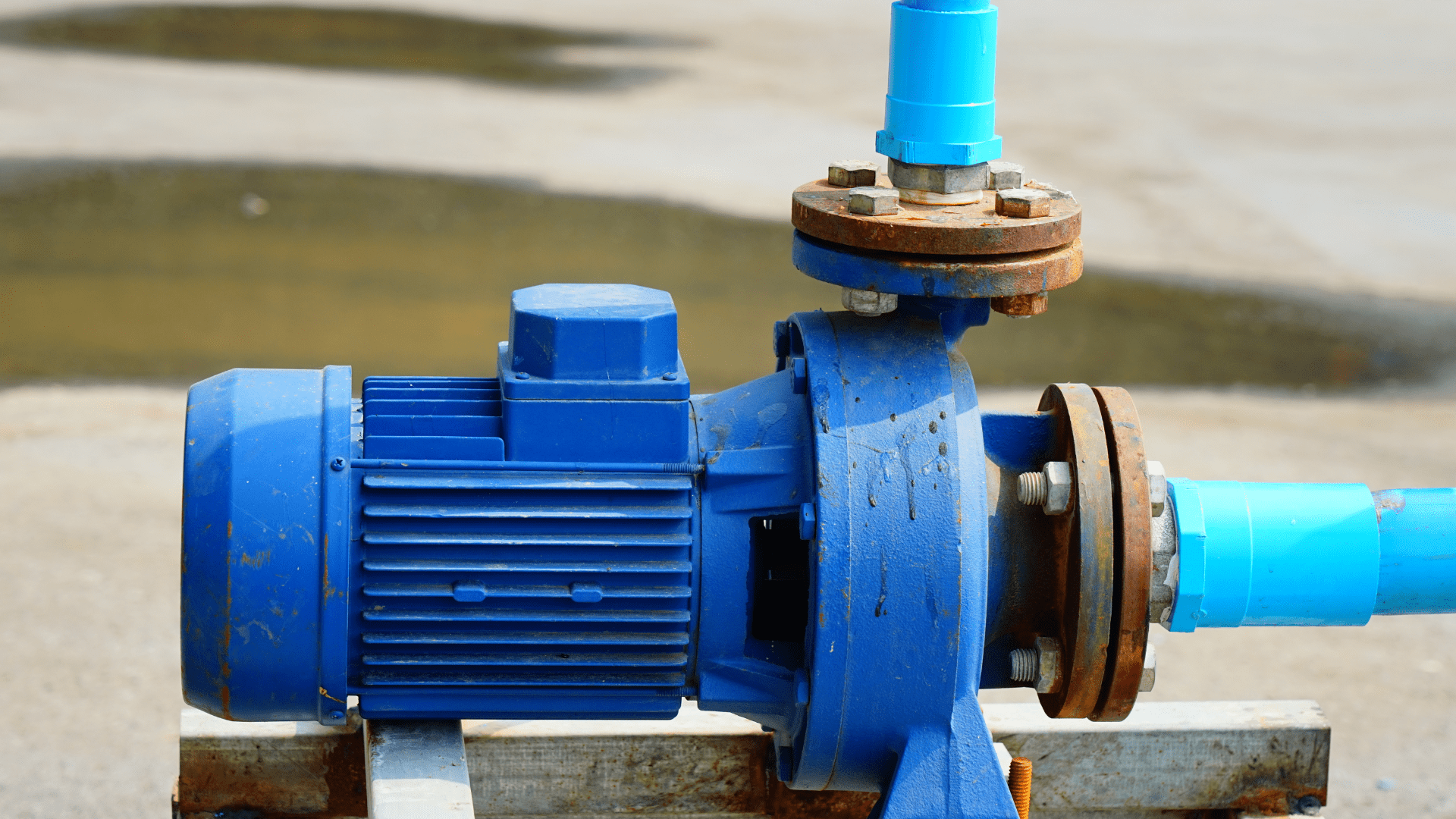
Wastewater pumps move sewage and other wastewater from lower elevations up to gravity sewers or treatment systems. Every flush, every load of laundry, every commercial kitchen rinse cycle relies on a pump somewhere in the chain doing its job. In most commercial, industrial and rural residential settings, the wastewater pump is the only thing standing between your operation running smoothly and a sewage backup.
Why Reliability Matters
When a pump fails, the consequences extend well past the immediate mess. You can be looking at property damage, environmental contamination, health risks, downtime for your business and significant repair bills. A reliable wastewater pumping system protects all of that. Reliability comes from three things: the right pump for the job, proper installation and a steady program of monitoring and maintenance.
What a Failure Actually Costs
A failed wastewater pump rarely fails in isolation. The flow does not stop, so the wastewater has to go somewhere. That can mean overflows, soaked floors, blocked drains, environmental notices and emergency call-out fees on top of the pump replacement itself. Catching the warning signs early is almost always cheaper than waiting for the failure.
Recognising the Early Warning Signs
Most wastewater pumps tell you they are in trouble well before they stop working. The trick is knowing what to listen for and what to watch for.
Unusual Noises and Vibrations
A healthy wastewater pump runs with a consistent, even hum. When that changes, take notice. Grinding, rattling, banging or any new mechanical sound usually means something inside the pump is loose, unbalanced or wearing out. Excessive vibration is the same story. Both signs are early enough that an experienced technician can usually diagnose the cause and fix it before the pump itself is damaged.
Slow Drainage and Frequent Cycling
If your wastewater is draining noticeably slower than usual, or if the pump is starting and stopping more frequently than normal, the system is telling you something. Slow drainage often points to a blockage somewhere in the line or a pump that is no longer operating at full capacity. Frequent cycling can mean a problem with the float switch, a leak, a check valve issue or a pump that is undersized for the load it is dealing with.
Unpleasant Odours
Sewage smells around your pump station, your drains or anywhere the pump operates are a clear sign something is wrong. The cause might be a blockage, a leak, a broken seal or a vent issue. Whatever the source, the odour is not just a nuisance. It is a flag that the system is not containing waste the way it should be.
Quick checklist of early warning signs
- New or unusual noises from the pump or pump station
- Visible vibration that was not there before
- Drainage that is slower than usual or backing up
- The pump cycling on and off more frequently than normal
- Sewage odours around the pump, drains or property
- Higher than usual power consumption
- Alarms or warning indicators on the pump control panel
Smart Technology for Proactive Pump Monitoring
The way wastewater pumps are managed has changed significantly. Modern pump control systems can monitor pump performance in real time, alert you to problems before they cause a failure, and give you visibility into how your system is running every day.
How Smart Control Systems Detect Faults Early
A smart pump control system tracks parameters like motor current, vibration, temperature, run time and flow rate. When any of those values move outside their normal range, the system sends an alert. That alert can go to a phone, an email or a central monitoring station, depending on how the system is set up. The result is that you find out about a developing problem before it becomes a breakdown, often days or weeks before the pump would have actually failed.
Real-Time Data for Performance Analysis
Continuous data collection gives you a clear picture of pump performance over time. You can see trends, spot anomalies and predict failures before they happen. A gradual rise in motor temperature, for example, can flag a bearing problem long before the bearing itself gives out. The same data also helps you optimise efficiency, which translates to lower energy use and lower running costs.
Remote Monitoring Capabilities
For sites with multiple pump stations, remote locations or facilities that are hard to access, remote monitoring is a game-changer. You can check on the system from anywhere with an internet connection, receive alerts in real time and respond quickly when something needs attention. For councils, facility managers and operators with assets spread across multiple sites, this is the difference between a managed system and a system that surprises you.
Want smarter wastewater monitoring?
Talk to APT Water about pump control systems and remote monitoring tailored to your site.
Effective Preventative Maintenance for Wastewater Pumps
Preventative maintenance is what stops a pump failure before it happens. Done well, it extends pump life, keeps energy costs down and avoids unscheduled downtime. There is more on this in our article on why you should service your sewage pumps.
Scheduled Inspections
Regular inspections are the foundation of any good maintenance program. A proper inspection covers the pump housing, the impeller, the seals, the electrical connections, the control panel and the overall performance against the original specifications. The inspector logs what they find so trends become visible over time.
- Check for corrosion or wear on the pump housing and components.
- Inspect electrical connections for tightness and damage.
- Verify pump performance against original specifications.
- Listen for unusual noises and look for vibration.
Routine Cleaning and Servicing
Wastewater pumps deal with rags, grease, fats, sediment and a long list of materials they were not designed to handle. Routine cleaning keeps build-up under control and stops small problems becoming big ones.
- Remove accumulated debris from the pump and impeller.
- Flush the system to clear any blockages.
- Lubricate moving parts as required.
- Replace seals and gaskets when they show wear.
Best Practices for Extending Pump Life
Beyond regular servicing, there are a few simple practices that significantly extend the working life of a wastewater pump.
- Proper installation. Alignment, ventilation and a stable mounting surface all matter.
- Correct pump selection. The wrong pump for the job will fail early, every time.
- Operator awareness. Anyone interacting with the system should know how to respond to alarms.
- Performance monitoring. Track flow, pressure and power consumption so deviations stand out.
Common Causes of Wastewater Pump Breakdown
Most wastewater pump failures fall into one of three categories. Understanding which is which makes it easier to prevent the next one.
Blockages and Debris
Blockages are the most common cause of wastewater pump issues. Rags, wipes, plastics, fats and other materials clog the impeller, force the motor to work harder, and lead to overheating and failure. The fix is part design, part operational discipline.
- Install screening or filtration upstream of the pump where appropriate.
- Educate users about what should not be flushed or drained.
- Schedule regular pump and pit inspections to catch build-up early.
Electrical Issues
Electrical faults can take a pump offline in seconds. Blown fuses, tripped breakers, voltage fluctuations, surges and motor winding failures are all common. Proper grounding, surge protection and regular electrical checks by a qualified technician are the standard defence. A modern pump control panel will also flag many electrical issues before they trip the system.
Wear and Tear
Bearings, seals, impellers and other components wear out over time. Wastewater is corrosive, so wear happens faster in a sewage application than in a clean water one. The answer is a planned replacement schedule for wear parts so you swap them on your terms, not in the middle of an emergency.
How APT Water Supports Wastewater Pumping Across Perth and WA
APT Water is your local team of experts in pumping technologies. Based in Perth, we supply, integrate and service pumping solutions for commercial, residential, industrial, mining and irrigation applications right across WA. When it comes to wastewater, we have the products, the controls and the expertise to keep your system running.
Drainage and Wastewater Pumps
Our drainage pumps range covers the toughest wastewater environments, from residential pump-out systems through to heavy-duty commercial and industrial installations. We help you select the right pump for the duty, the flow and the conditions, so the system performs the way it should from day one.
Pump Controls and Smart Monitoring
Our pump controls give you visibility, alerts and protection across your wastewater pumping system. From basic alarm and protection panels through to fully integrated smart control and monitoring solutions, we tailor the control side to suit the site, the application and the level of remote visibility you need.
Packaged Systems for Complete Solutions
Where the situation calls for a complete, ready-to-go solution, our packaged pumping systems combine pumps, controls and the supporting hardware into a single integrated unit. That means faster installation, fewer integration headaches and a system that has been engineered to work as a whole.
Servicing and Replacement
Even the best pump eventually reaches the end of its service life. We supply replacement pumps, parts and components, and we provide servicing and technical support to keep wastewater systems running. The goal is simple. Minimise downtime, maximise life and keep your operation moving.
The Benefits of Acting Early
Less Downtime
Catching a problem at the warning sign stage means a planned service call, not an emergency. Planned work takes a fraction of the time, costs a fraction of the money and rarely shuts down your operation. A small leak fixed today is a flood prevented tomorrow.
Lower Repair Costs
Early intervention is almost always cheaper than reactive repair. A worn bearing replaced on schedule costs a fraction of a burnt-out motor. A blocked impeller cleared at inspection costs a fraction of a full pump replacement. The maths is consistent across almost every failure mode.
Continuous Wastewater Management
Healthy wastewater pumps mean continuous, safe operation. The wastewater goes where it should, the operation runs without interruption, and the environmental and health risks of a failure stay off your problem list. That is the goal of every well-managed pumping system.
Wrapping Up
Wastewater pumps almost always give you warning signs before they fail. Listen for the noises. Watch for slow drainage and frequent cycling. Pay attention to odours and alarms. Combine that vigilance with a solid preventative maintenance schedule and modern pump control technology, and the chances of a surprise breakdown drop dramatically. APT Water is here to help with the products, controls and packaged systems that keep wastewater pumping reliable across Perth and WA.
Need help with a wastewater pump?
Whether it’s a new system, a smart control upgrade or service on an existing pump, the APT Water team is ready to help.
Frequently Asked Questions
Why are wastewater pumps so important?
Wastewater pumps move sewage and waste water from lower elevations up to gravity sewers or treatment systems. Without a working pump, wastewater has nowhere to go, which leads to backups, overflows, environmental contamination and health risks.
What are the first signs my wastewater pump is failing?
Watch for unusual noises or vibration, slow drainage, the pump cycling on and off more often than usual, sewage odours, alarms on the control panel and higher than normal power consumption.
How can smart technology help monitor a wastewater pump?
Smart pump control systems track parameters like motor current, temperature, vibration and flow in real time. They send alerts when something moves outside the normal range, often days or weeks before the pump would actually fail, so you can fix the problem on your schedule.
How often should a wastewater pump be serviced?
That depends on the pump, the application and the conditions, but most commercial and industrial wastewater pumps benefit from a scheduled inspection at least once or twice a year. Our article on why you should service your sewage pumps goes into more detail.
What causes most wastewater pump failures?
Blockages from rags, wipes and other debris are the most common cause, followed by electrical issues and general wear on bearings, seals and impellers. All three are catchable through regular inspection and a good maintenance program.
Does APT Water supply pumps and pump controls together?
Yes. We supply drainage pumps, pump controls and packaged pumping systems so the pump, the control side and the supporting hardware all work together as a single integrated solution.
What areas does APT Water service?
APT Water is based in Perth and supports commercial, residential, industrial, mining and irrigation applications across Western Australia.